Tahajjud for Beginners
So you want to start praying Tahajjud — and you are worried you will do it wrong, or start too big and quit by Friday. This guide is the gentle way in: two rak'ahs, one or two nights a week, and a plan small enough to still be alive in a month. First, see when the last third begins in your city tonight with the tahajjud calculator.
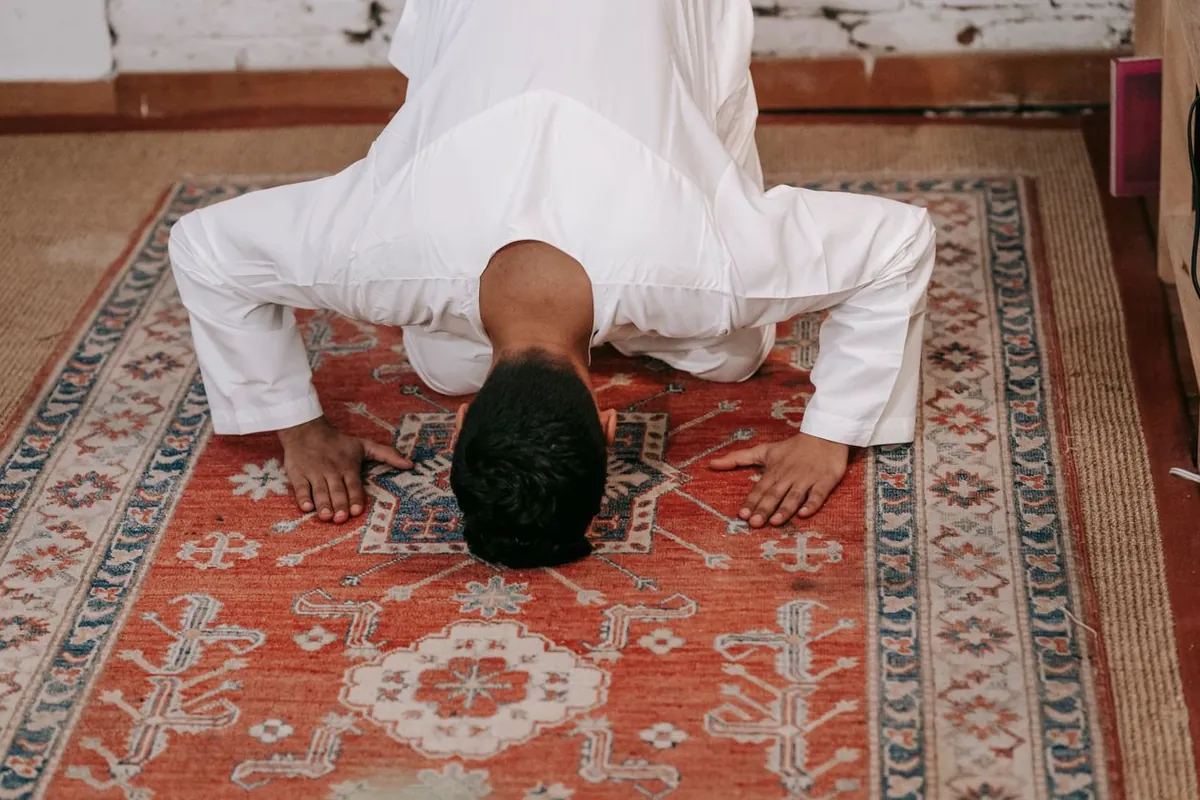
Start smaller than you think
Every beginner makes the same mistake: night one is eight rak'ahs, long surahs and tears; night four is silence and a switched-off alarm. Tahajjud is a lifelong habit being born, and habits are not built by intensity — they are built by repetition. The Prophet ﷺ taught that the most beloved deeds to Allah are the most consistent ones, even if they are small (reported in Sahih al-Bukhari and Sahih Muslim). Two rak'ahs prayed every week for a year outweigh a heroic month followed by nothing.
So the beginner's target is deliberately modest: two rak'ahs and Witr, inside the last third, on one or two chosen nights a week. That is real Tahajjud — the same prayer, the same promised hour — in a size a tired human can repeat. Everything else in this guide exists to protect that small beginning.
The shape to grow towards
It helps to know what a mature night pattern looks like, so you can grow towards it over months rather than imitate it tonight. The Prophet ﷺ described the most beloved prayer to Allah as the prayer of Dawud (peace be upon him): he slept for half the night, stood in prayer for a third of it, and slept for its final sixth (Sahih al-Bukhari 1131). Notice the proportions — even the model night is mostly sleep. Prayer takes a third. Nobody is being asked to live without rest.
On an ordinary night of eleven hours, Dawud's pattern means sleeping about five and a half hours, praying in the deep middle of the night, then sleeping again before Fajr. You will not start there. But it tells you the direction: sleep, prayer, sleep — a rhythm, not an ordeal.
Your first night, step by step
- Pick the night in advance. Choose one night this week — Friday night suits many people — and treat it as an appointment, not a hope.
- Set the alarm backwards from Fajr. You do not need the whole last third on night one. Thirty minutes before Fajr is plenty: use the wake-up planner to get your exact time.
- Sleep in your prayer clothes' reach. Mat laid out, clothes ready, phone across the room. The first five minutes decide everything; make them frictionless.
- Make wudu and pray two rak'ahs. Recite what you know well — short surahs prayed with attention beat long ones stumbled through. Our step-by-step guide walks through the prayer itself.
- Make dua before anything else. This is the heart of the hour: ask for what you actually need, for yourself and for others, and ask forgiveness. Then pray Witr if you have not already.
- Go back to sleep without scoring yourself. You rose, you prayed, you asked. That is the whole assignment. Analysis is for the morning.
A first week that survives contact with real life
Week one asks for two nights, not seven. After two or three weeks of keeping them, add a third night if — and only if — the first two feel easy. Grow by one night at a time, and let each step settle for a fortnight before the next. Most people who pray Tahajjud for decades built it at roughly this speed.
Protect the plan on the other side too: a late night before your chosen night is the plan's worst enemy, so guard the evening — lighter screen time, an earlier bed. And decide in advance what a "missed" night means: not failure, just data. If you sleep through, the morning has its own mercy in it — see our guide to making up missed Tahajjud.
What beginners usually get wrong
- Aiming for the Prophet's ﷺ length. His nights were the fruit of a lifetime. Yours are a seed. The rak'ah counts can grow later; the habit cannot be skipped.
- Judging the prayer by feelings. Some nights feel luminous, most feel ordinary. The ordinary ones count in full — you are keeping an appointment, not chasing an experience.
- Telling everyone. Keep the first month private between you and Allah. Quiet habits root deeper.
- Quitting after a broken week. A broken week is a week, not a verdict. The next chosen night is the whole recovery plan.
Frequently asked questions
How many rak'ahs should a beginner pray?
Two. Two rak'ahs inside the last third, followed by Witr, is a complete and valid Tahajjud — the prayer has no minimum beyond that, and every report of the Prophet's ﷺ practice includes nights of different lengths. Add more pairs only when two feels easy and has felt easy for a few weeks.
What if I sleep through the alarm on my chosen night?
Then you are in the majority of beginners, and the Sunnah has already answered you: the Prophet ﷺ taught that whoever sleeps through his night portion can make it up between Fajr and Dhuhr, and it is recorded as though he had prayed it at night (Sahih Muslim 747). No guilt spiral — make it up, or simply keep the next appointment.
Do I need to memorise long surahs before I start?
No. Recite what you know with attention — even the short surahs of the last part of the Quran, prayed slowly, are a real recitation. Length in the night prayer is beloved, but it grows out of memorisation over years, and it is never the entry ticket. Our guide to what to recite in Tahajjud gives the ladder.
When does waking up start to feel easier?
For most people, two to three weeks of the same alarm on the same nights. The body learns the rhythm if the rhythm is stable — which is one more reason to keep the plan small and fixed rather than heroic and random. What never fully disappears is the hardness of the first five minutes; you just learn they pass.
Find the start of the last third in your city, and set tonight's alarm from it.
Open the Tahajjud Calculator